Ezra Taft Benson on Harmonization
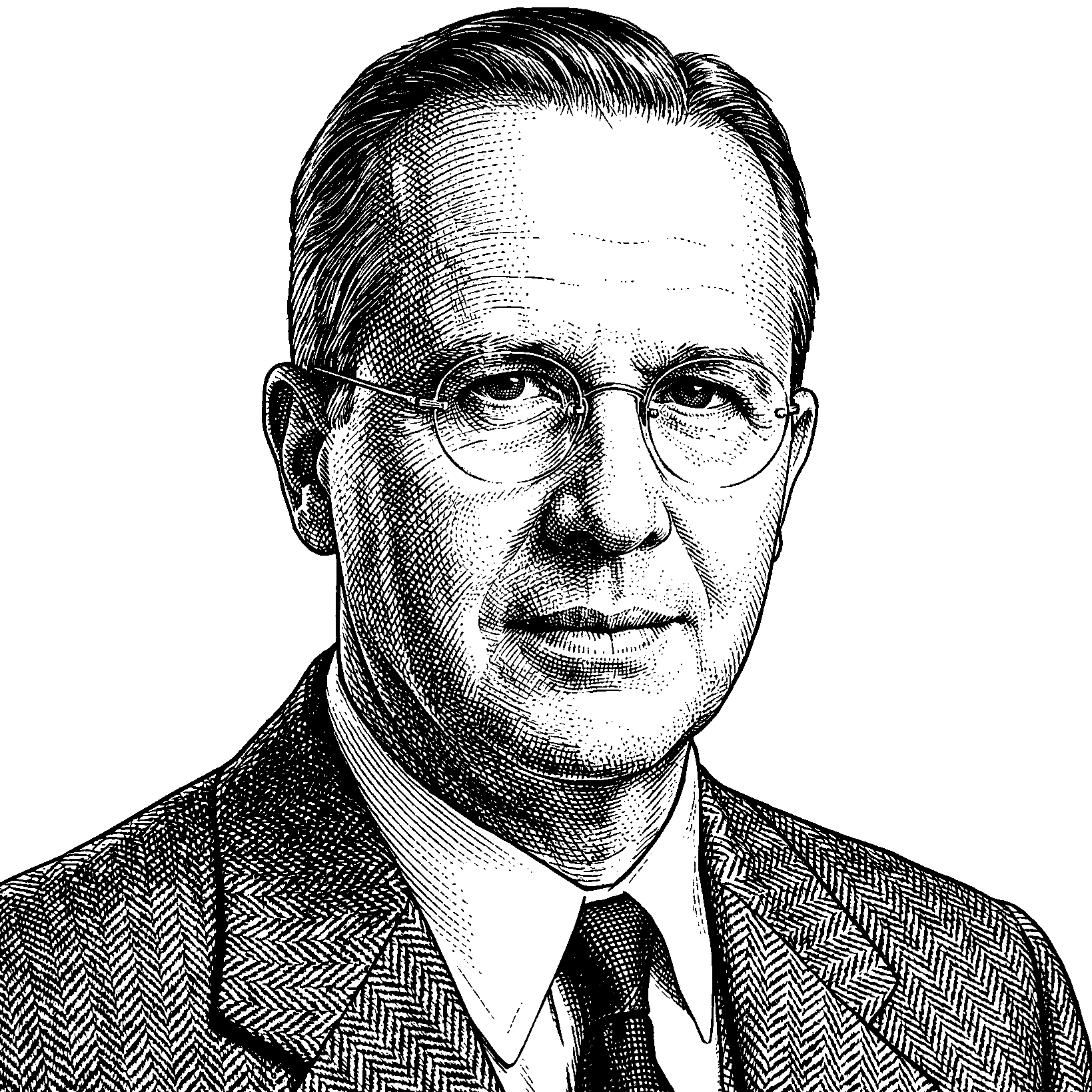
Ezra Taft Benson

Ezra Taft Benson

Religion and science have sometimes been in apparent conflict. Yet the conflict should only be apparent, not real, for science should seek truth, and true religion is truth. There can never be conflict between revealed religion and scientific fact. That they have often occupied different fields of truth is a mere detail. The gospel accepts and embraces all truth; science is slowly expanding her arms and reaching into the invisible domain in search of truth. The two are meeting daily⁠—science as a child, revealed religion as the mother. Truth is truth, whether labeled science or religion. There can be no conflict. Time is on the side of truth⁠—for truth is eternal.

General Conference, page 129, 1966.04

Related Quotes

Hugh B. BrownHugh B. Brown

With the tremendous strides that science is making in our day, there is dawning upon this age what might be termed a scientific spirituality—a new type of mind that studies the truths of faith with the care and caution and candor of science, yet keeping the warmth and glow and power of faith. Spiritual insight is as real as scientific insight. Indeed, it is but a higher manifestation of the same thing.

Joseph SmithJoseph Smith

The first and fundamental principle of our holy religion is, that we believe that we have a right to embrace all, and every item of truth, without limitation or without being circumscribed or prohibited by the creeds or superstitious notions of men, or by the dominations of one another, when that truth is clearly demonstrated to our minds, and we have the highest degree of evidence of the same.

Steven DickSteven Dick

[Future religious thinkers] must be open to radically new conceptions of God, not necessarily the God of the ancients, nor the God of human imagination, but a God grounded in cosmic evolution, the biological universe, and the three principles: Why would a Messiah only come to us? Humans are likely not the center of anything. Nor the ultimate creation of God (likely not the head of the class when it comes to brainpower and intelligence) . . . A major effect of the concept of a natural God is that it has the capacity to reconcile science and religion. For those with a vested interest in the supernatural God of most standard religions, this may be too great a sacrifice for reconciliation. But consider the benefits. A natural God is an intelligence in and of the world, a God amenable to scientific methods, or at least approachable by them. A supernatural God incorporates a concept all scientists reject in connection with their science. For some, this may be precisely the point: that God cannot be, and should not be, approachable by science. But for Einstein and many other scientists (perhaps expressed in a different way for the latter) “the cosmic religious feeling is the strongest and noblest motive for scientific research.”

More from Ezra Taft Benson