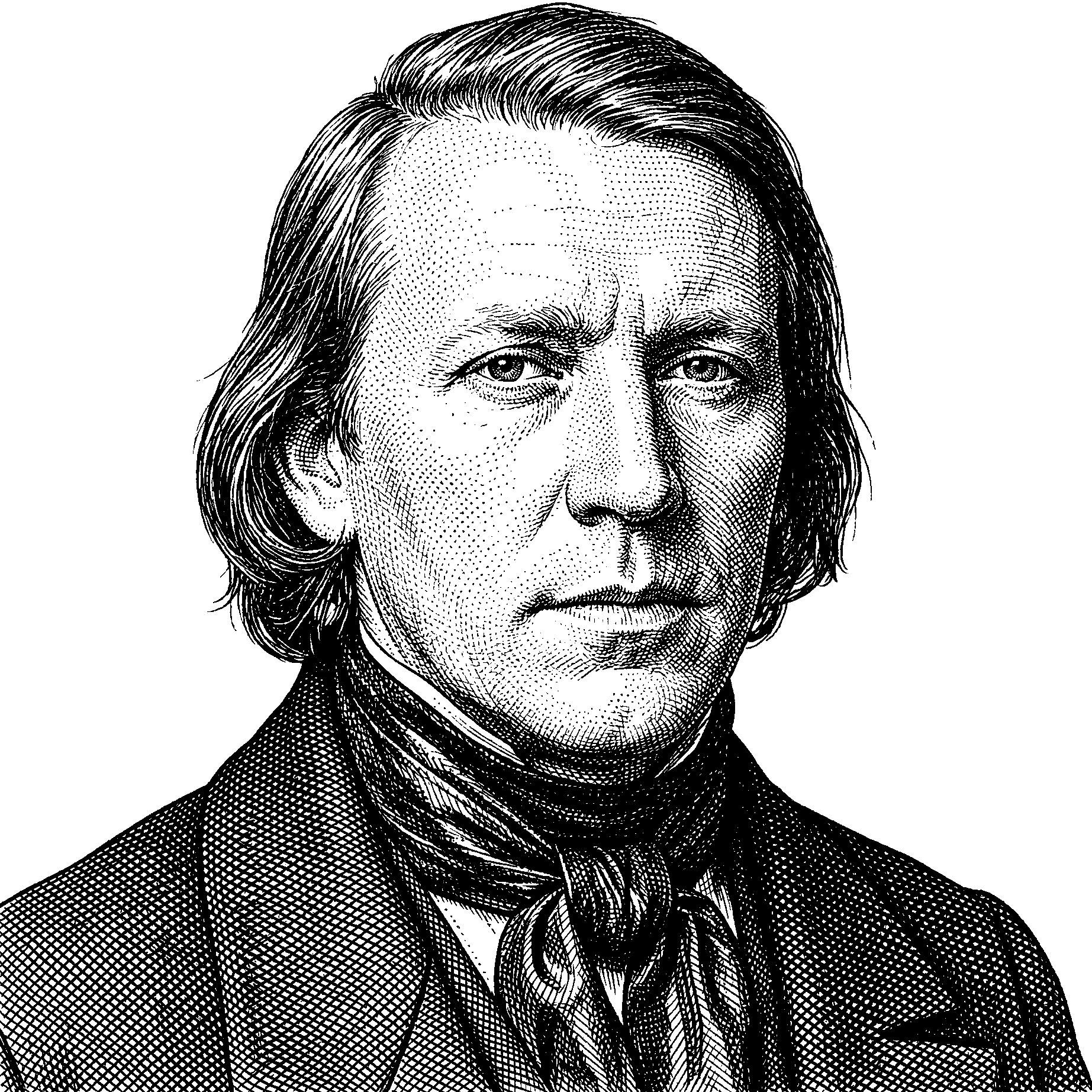
Sterling M. McMurrin on Naturalism

Sterling M. McMurrin
The naturalistic disposition of Mormonism is found in the denial of the traditional conception of the supernatural. It is typical of Mormon writers to insist that even God is natural rather than supernatural, in that there is not a divine order of reality that contrasts essentially with the mundane physical universe of ordinary experience known to us through sensory data, which is the object of scientific investigation and is described by natural law. The naturalistic facet of Mormon thought is indicated by the Mormon denial of miracles in the traditional sense of an intrusion of the supernatural that suspends the natural processes. The typical Mormon conception of a miracle is that the miraculous event, though entirely natural, is simply not understood because of deficiencies in human knowledge. From the perspective of God there are no miracles.
The denial of the supernatural is not simply a terminological issue in Mormonism, for reality is described qualitatively as a single continuum. The continuity is attested especially by the rejection of the traditional Christian concept of eternity, which is essentially Greek in origin, where eternity means timelessness, the denial of temporality. Mormonism conceives of God as being in both time and space. The natural continuum is evidenced as well in the Mormon view that there is no immaterial substance and that spiritual entities are not less material than physical objects.
This naturalistic quality of Mormon philosophy is without question related to several facets of the attitude, practice, and thought of the Mormon people: the high evaluation placed on the human body, the essentially positive attitude toward sex, the affirmative estimate of human character and human accomplishment, the obvious this-worldliness of the religion with its denial of the distinction between the sacred and the secular, and a traditional enthusiasm for natural science. It is perhaps not entirely inaccurate to describe Mormonism as a kind of naturalistic, humanistic theism.