Irenaeus on Theosis

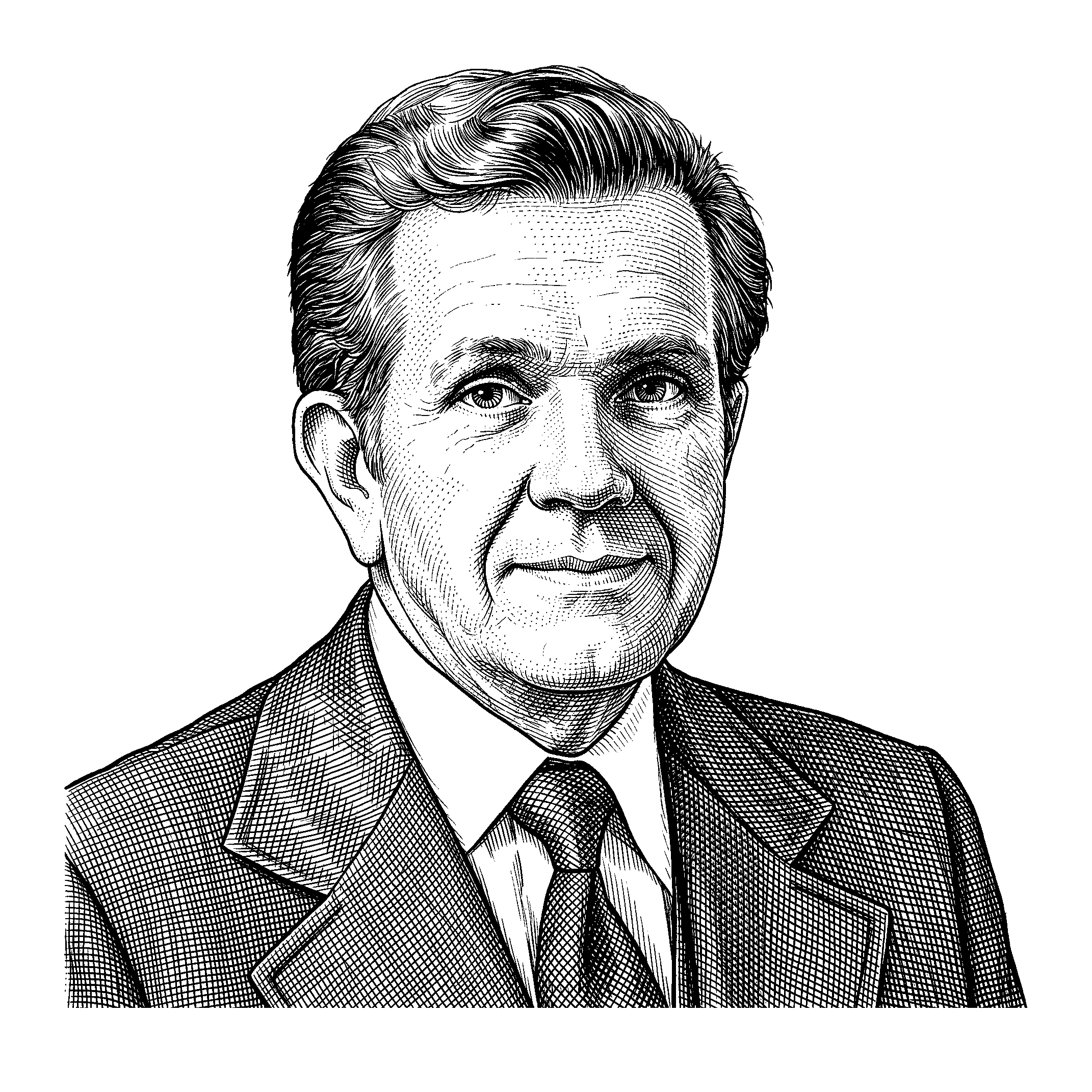
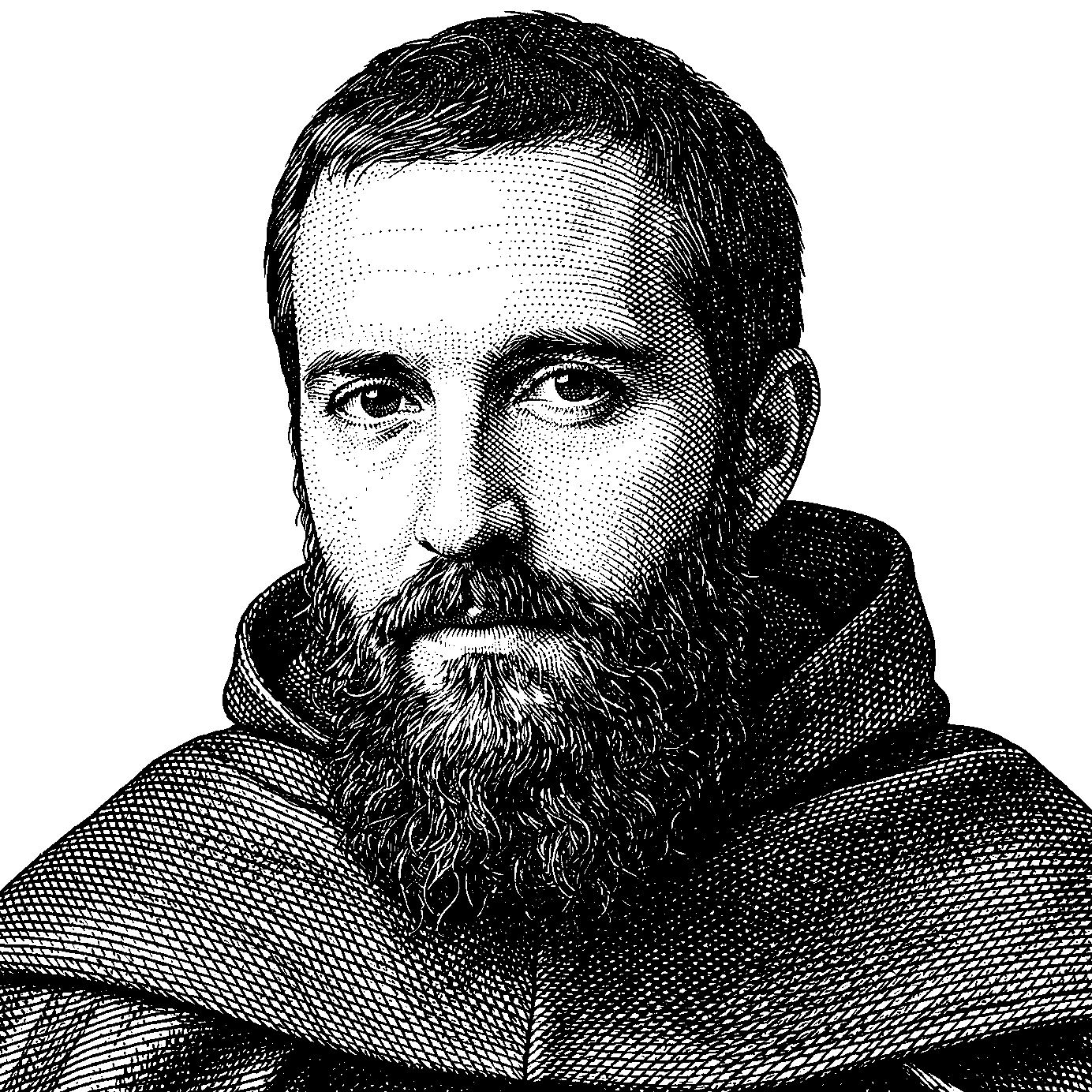
Irenaeus

Irenaeus

“

Our Lord Jesus Christ . . . became what we are, so that He might bring us to be even what He Himself is.

”
Against Heresies, The Ante-Nicene Fathers, page 526, Alexander Roberts and James Donaldson, eds., Peabody, MA: Hendrickson Publishers, 1994
Related Quotes

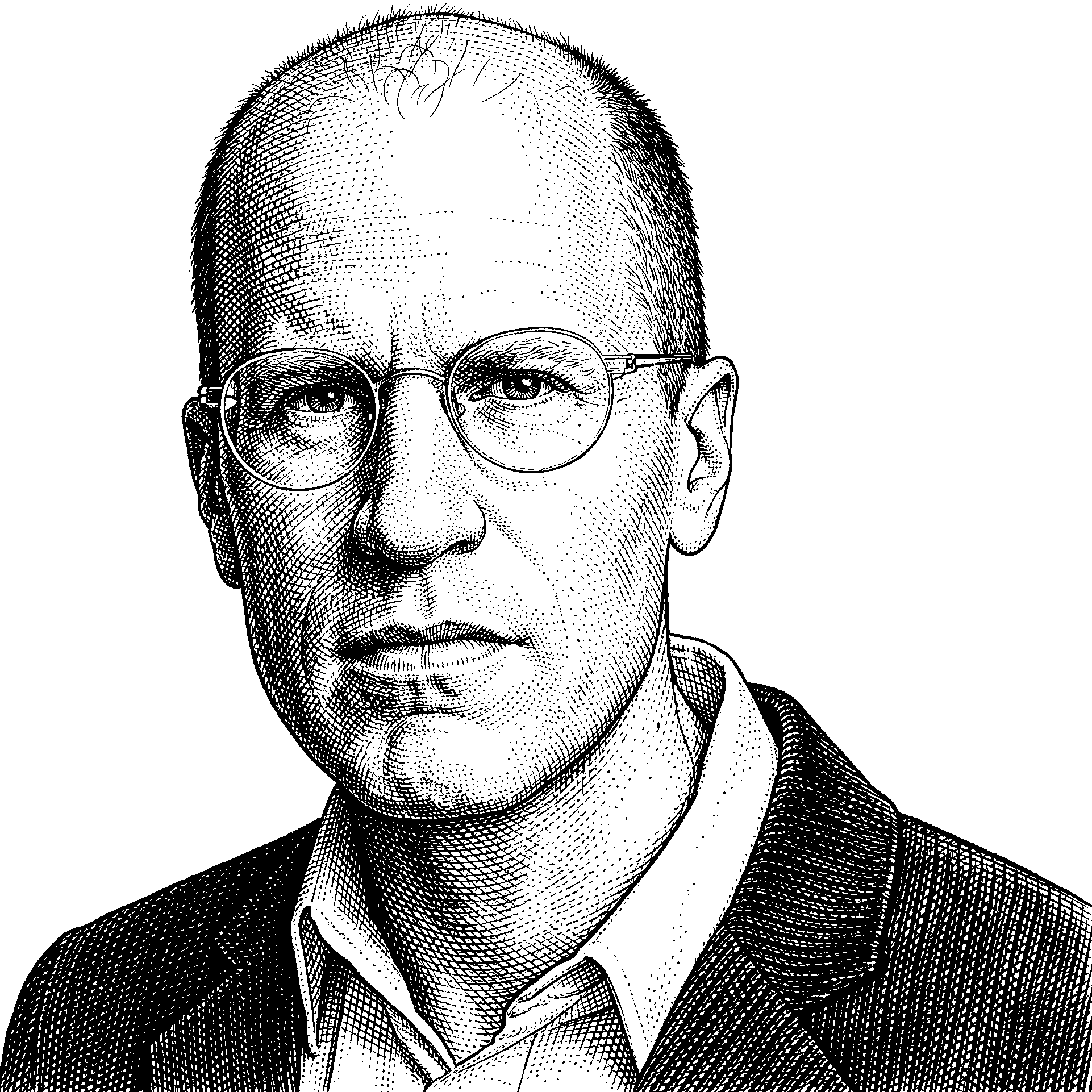
Nick BostromNick Bostrom

Further rumination on these themes could climax in a naturalistic theogony that would study the structure of this hierarchy, and the constraints imposed on its inhabitants by the possibility that their actions on their own level may affect the treatment they receive from dwellers of deeper levels. For example, if nobody can be sure that they are at the basement-level, then everybody would have to consider the possibility that their actions will be rewarded or punished, based perhaps on moral criteria, by their simulators. An afterlife would be a real possibility. Because of this fundamental uncertainty, even the basement civilization may have a reason to behave ethically. The fact that it has such a reason for moral behavior would of course add to everybody else’s reason for behaving morally, and so on, in truly virtuous circle. One might get a kind of universal ethical imperative, which it would be in everybody’s self-interest to obey, as it were ‘from nowhere.’

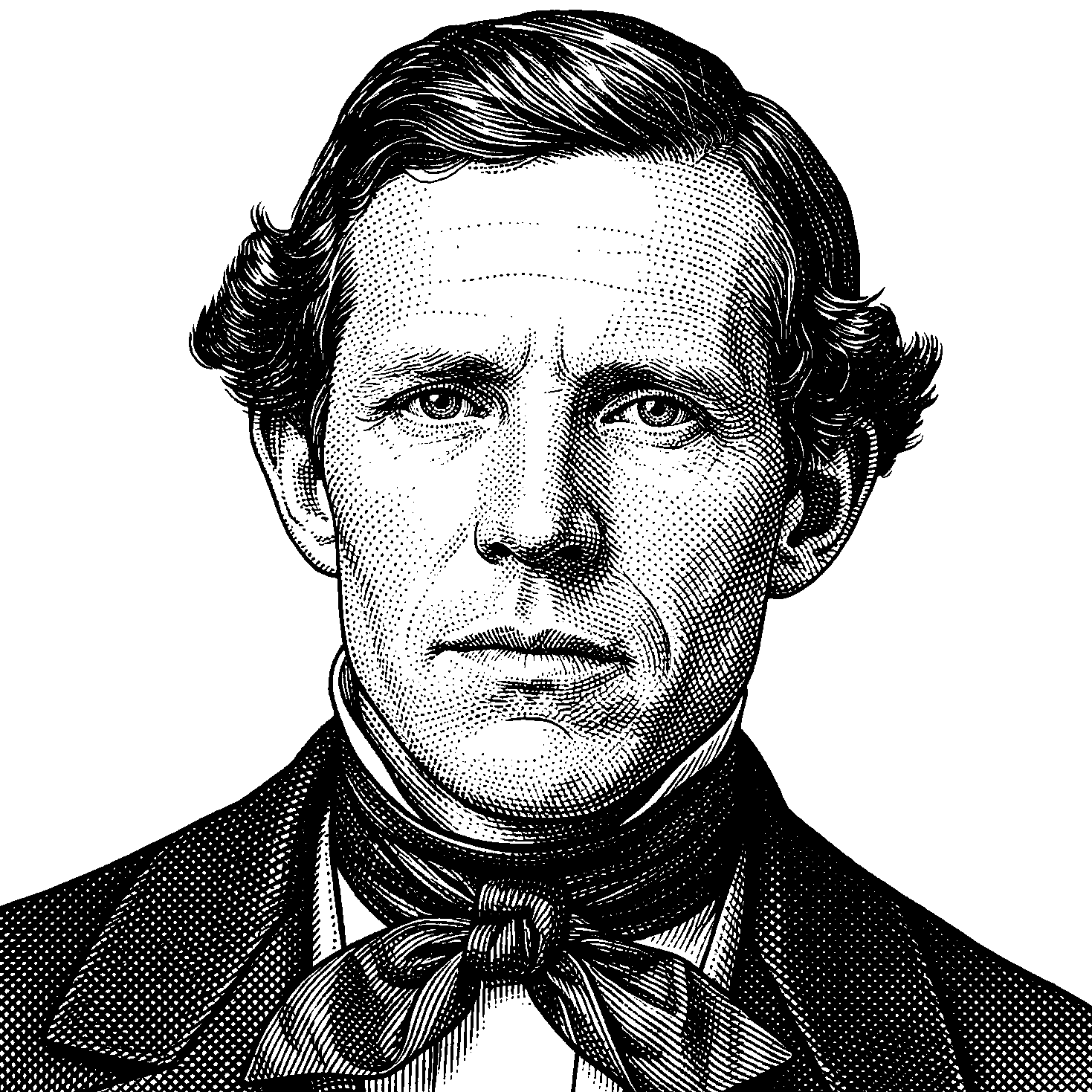
Joseph SmithJoseph Smith

God was once as we are now, and is an exalted person, and sits enthroned in yonder heavens! That is the great secret.

Boyd K. PackerBoyd K. Packer

Some years ago I was in Washington, D.C., with President Harold B. Lee. Early one morning he called me to come into his hotel room. He was sitting in his robe reading Gospel Doctrine, by President Joseph F. Smith ...

More from Irenaeus

[T]he Word became flesh and the Son of God became the Son of Man: so that man, by entering into communion with the Word and thus receiving divine sonship, might become a son of God.

Do we cast blame on him [God] because we were not made gods from the beginning, but were at first created merely as men, and then later as gods? Although God has adopted this course out of his pure benevolence, that no one may charge him with discrimination or stinginess, he declares, “I have said, ye are gods; and all of you are sons of the Most High.” . . .

How, then, shall he become a God, who has not as yet been made a man? Or how can he be perfect who was but lately created? How, again, can he be immortal, who in his mortal nature did not obey his maker? For it must be that thou, at the outset, shouldest hold the rank of a man, and then afterwards partake of the glory of God.

If the Word became a man, it was so men may become gods.