Joseph Smith on Eternal Progression
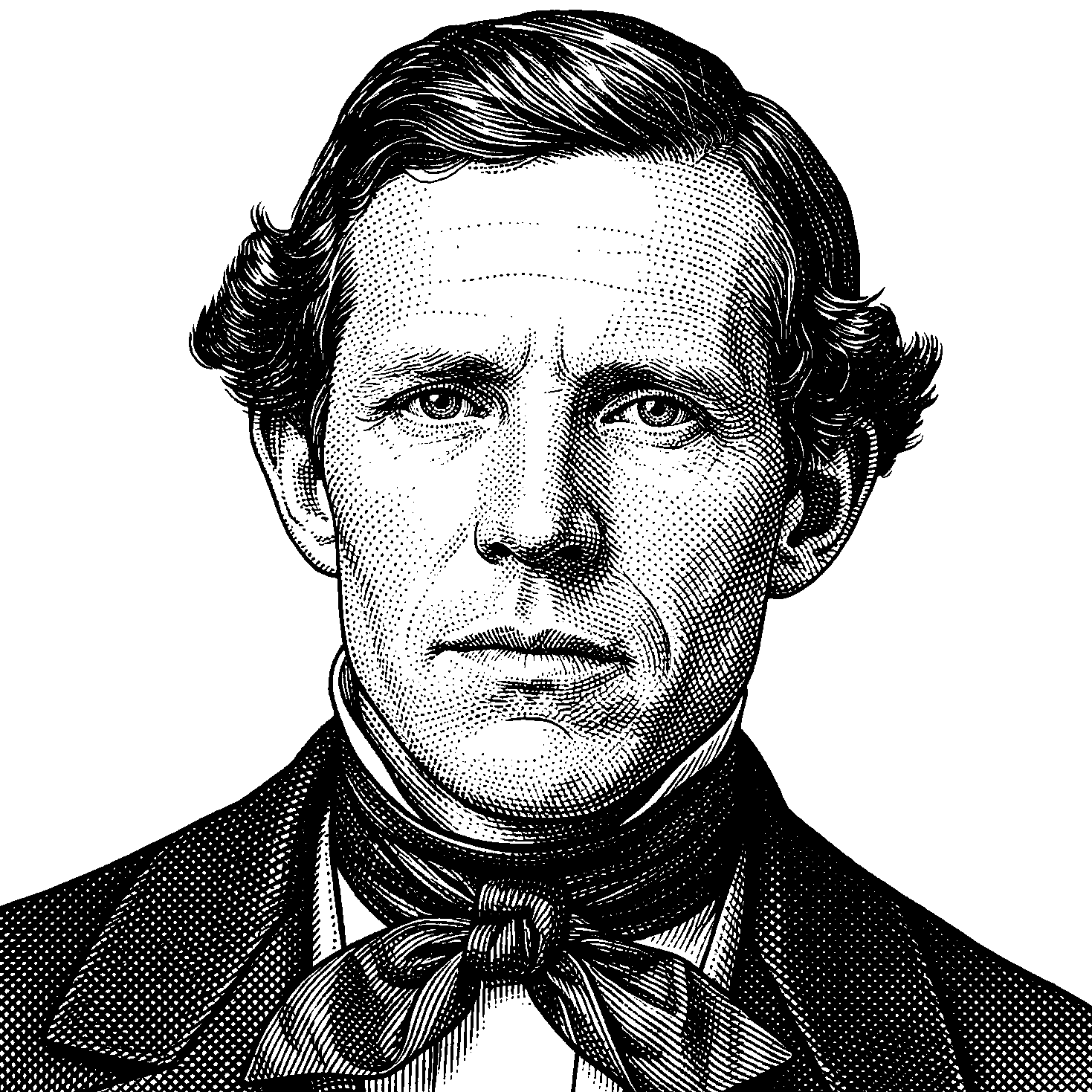
Joseph Smith

Joseph Smith

Here, then, is eternal life⁠—to know the only wise and true God; and you have got to learn how to be gods yourselves, and to be kings and priests to God, the same as all gods have done before you, namely, by going from one small degree to another, and from a small capacity to a great one; from grace to grace, from exaltation to exaltation

“Joseph Smith on Becoming Gods,” The King Follett Discourse, Nauvoo, Illinois., 1844
Related Quotes

James E. TalmageJames E. Talmage

It is reasonable to believe, in the absence of direct revelation by which alone absolute knowledge of the matter could be acquired, that, in accordance with God’s plan of eternal progression, advancement from grade to grade within any kingdom, and from kingdom to kingdom, will be provided for.

Wilford WoodruffWilford Woodruff

President Young asked Elder Orson Pratt what he thought of his preaching that intelligent beings would continue to learn to all eternity. Pratt said that he believed the Gods had a knowledge at the present time of every thing that ever did exist to the endless ages of all eternity. . . . President Young remarked that . . . it was not true: it was false doctrine, for the Gods and all intelligent beings would never cease to learn.

Nick BostromNick Bostrom

Further rumination on these themes could climax in a naturalistic theogony that would study the structure of this hierarchy, and the constraints imposed on its inhabitants by the possibility that their actions on their own level may affect the treatment they receive from dwellers of deeper levels. For example, if nobody can be sure that they are at the basement-level, then everybody would have to consider the possibility that their actions will be rewarded or punished, based perhaps on moral criteria, by their simulators. An afterlife would be a real possibility. Because of this fundamental uncertainty, even the basement civilization may have a reason to behave ethically. The fact that it has such a reason for moral behavior would of course add to everybody else’s reason for behaving morally, and so on, in truly virtuous circle. One might get a kind of universal ethical imperative, which it would be in everybody’s self-interest to obey, as it were ‘from nowhere.’

More from Joseph Smith

Salvation cannot come without revelation; it is in vain for anyone to minister without it. No man is a minister of Jesus Christ without being a Prophet. No man can be a minister of Jesus Christ except he has the testimony of Jesus; and this is the spirit of prophecy. Whenever salvation has been administered, it has been by testimony.

‘Do you believe Joseph Smith, Jun., to be a Prophet?’ Yes, and every other man who has the testimony of Jesus. For the testimony of Jesus is the spirit of prophecy.

I see no faults in the Church, and therefore let me be resurrected with the Saints, whether I ascend to heaven or descend to hell, or go to any other place. And if we go to hell, we will turn the devils out of doors and make a heaven of it. Where this people are, there is good society.

[The Gentiles] will make wonderful improvements in machinery of every kind, especially implements of husbandry for the working of the land and raising grain, saving a great deal of labor to the saints in building up the kingdom. The Lord will inspire the Gentiles to do this, but they will not acknowledge his hand in it, nor give him the glory …

President Joseph Smith read the 14th chapter of Ezekiel—said the Lord had declared by the Prophet, that the people should each one stand for himself, and depend on no man or men in that state of corruption of the Jewish church—that righteous persons could only deliver their own souls—applied it to the present state of the Church of Jesus Christ of Latter-day Saints—said if the people departed from the Lord, they must fall—that they…