John A. Widtsoe on Theosis
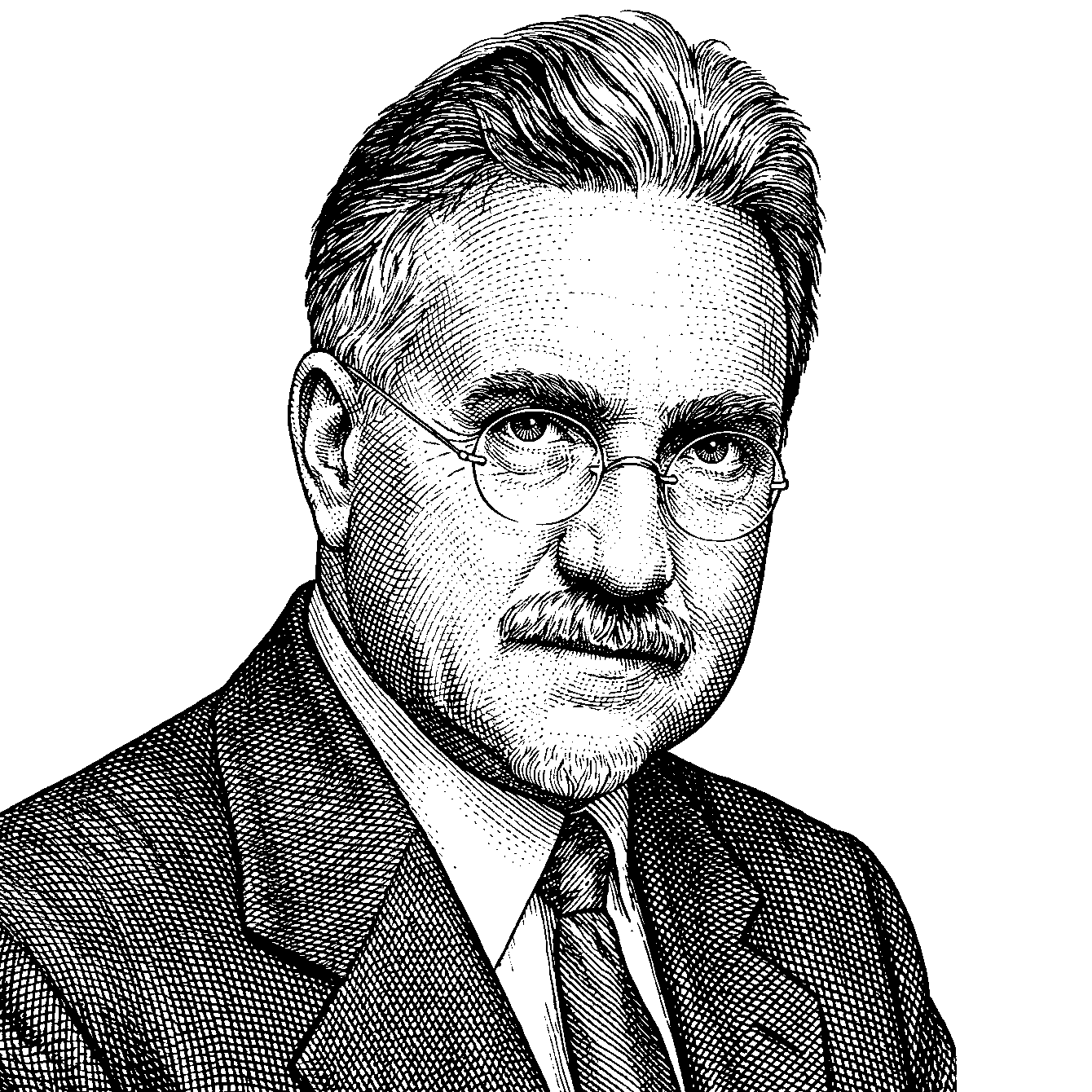
John A. Widtsoe

John A. Widtsoe

In our preexistent state, in the day of the great council, we made a certain agreement with the Almighty. The Lord proposed a plan, conceived by him. We accepted it. Since the plan is intended for all men, we become parties to the salvation of every person under that plan. We agreed, right then and there, to be not only saviors for ourselves but measurably, saviors for the whole human family. We went into a partnership with the Lord.

History of the Church, pages 59-61, B.H. Roberts (editor), Salt Lake City, Utah: Deseret Book, 1980
Related Quotes

Joseph F. SmithJoseph F. Smith

We talk of obedience, but do we require any man or woman to ignorantly obey the counsels that are given? Do the First Presidency require it? No, never.

Lorenzo SnowLorenzo Snow

We should strive earnestly to establish the principles of heaven within us, rather than trouble ourselves in fostering anxieties like the foolish people of the Tower of Babel, to reach its location before we are properly and lawfully prepared to become its inhabitants. Its advantages and blessings, in a measure, can be obtained in this probationary state by learning to live in conformity with its laws and the practice of its principles. To do this, there must be a feeling and determination to do God’s will.

HippolytusHippolytus

For if He had willed to make thee a god, He could have done so. Thou hast the example of the Logos. But if thou art desirous of also becoming a god, obey Him that has created thee, and resist not now, in order that, being found faithful in that which is small, you may be enabled to have entrusted to you also that which is great.

More from John A. Widtsoe

Truth is truth forever. Scientific truth cannot be theological lie. To the sane mind, theology and philosophy must harmonize. They have the common ground of truth on which to meet.

We may go further. Every person born into the earth has claim upon the assistance of the Spirit of God. That is a species of revelation. Consequently, all good achievements of man, in science, literature, or art, are the product of revelation. The knowledge and wisdom of earth have so come.

The Church supports and welcomes the growth of science . . . The religion of the Latter-day Saints is not hostile to any truth, nor to scientific search for truth.

As science advances and increases, as new discoveries are made, as more complete command is obtained over the forces of nature, the more necessary it becomes that we have a religion to guide us in employing these discoveries. To save the world from science, and to make science the builder of a good world, we must hasten our progress towards the fuller acceptance of God. So, the answer to the question at the head of this article is very simple.

A miracle is an occurrence which, first, cannot be repeated at will by man, or, second, is not understood in its cause and effect relationship. History is filled with such miracles. What is more, the whole story of man’s progress is the conversion of “miracles” into controlled and understood events. The airplane and radio would have been miracles, yesterday.