Athanasius on Theosis
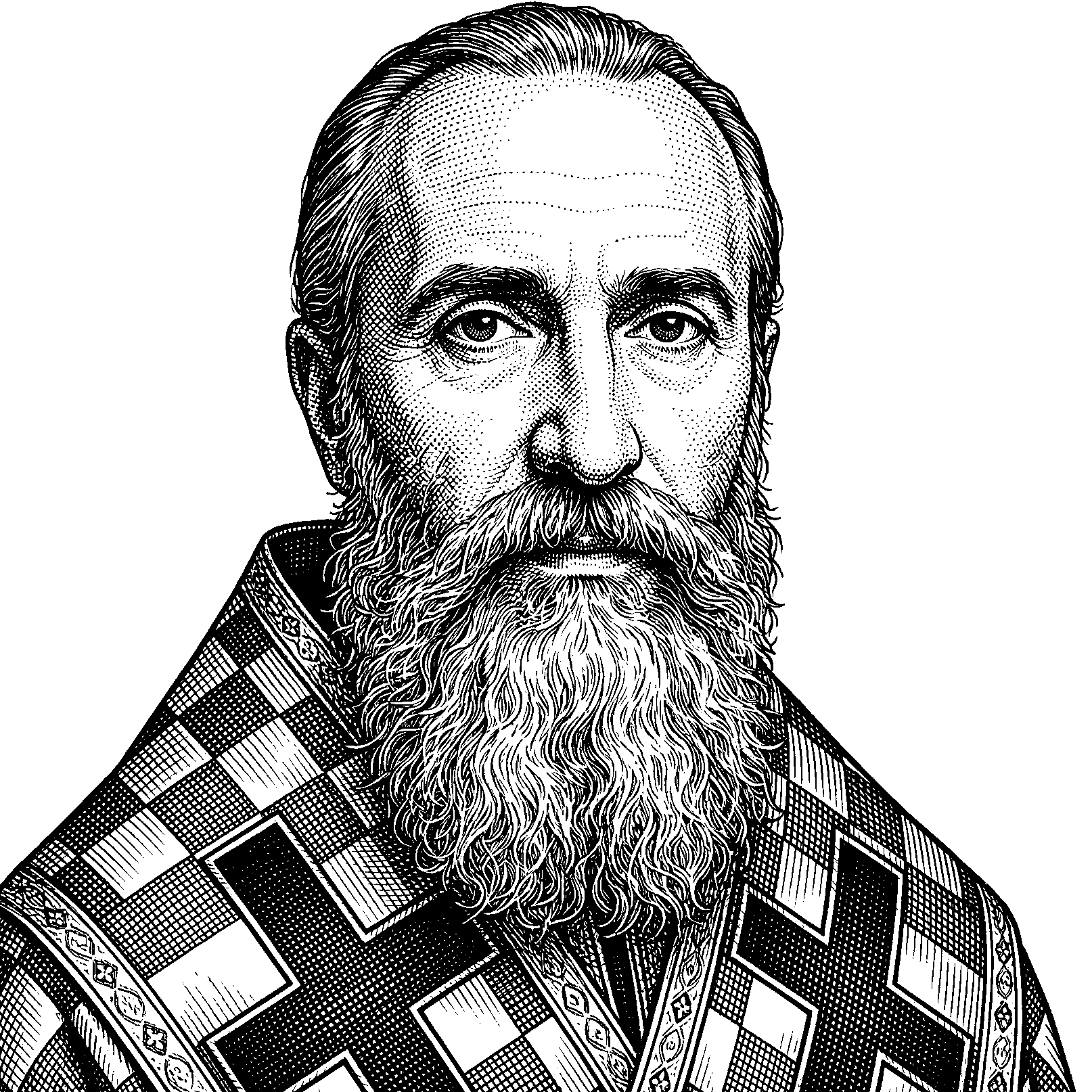
Athanasius

Athanasius

“

Just as the Lord, putting on the body, became a man, so also we men are both deified through his flesh, and henceforth inherit everlasting life.

”
On the Incarnation of the Word, Nicene and Post-Nicene Fathers, Second Series, page 4:54, Philip Schaff and Henry Wace, eds., Peabody, MA: Hendrickson Publishers, 1994
Related Quotes

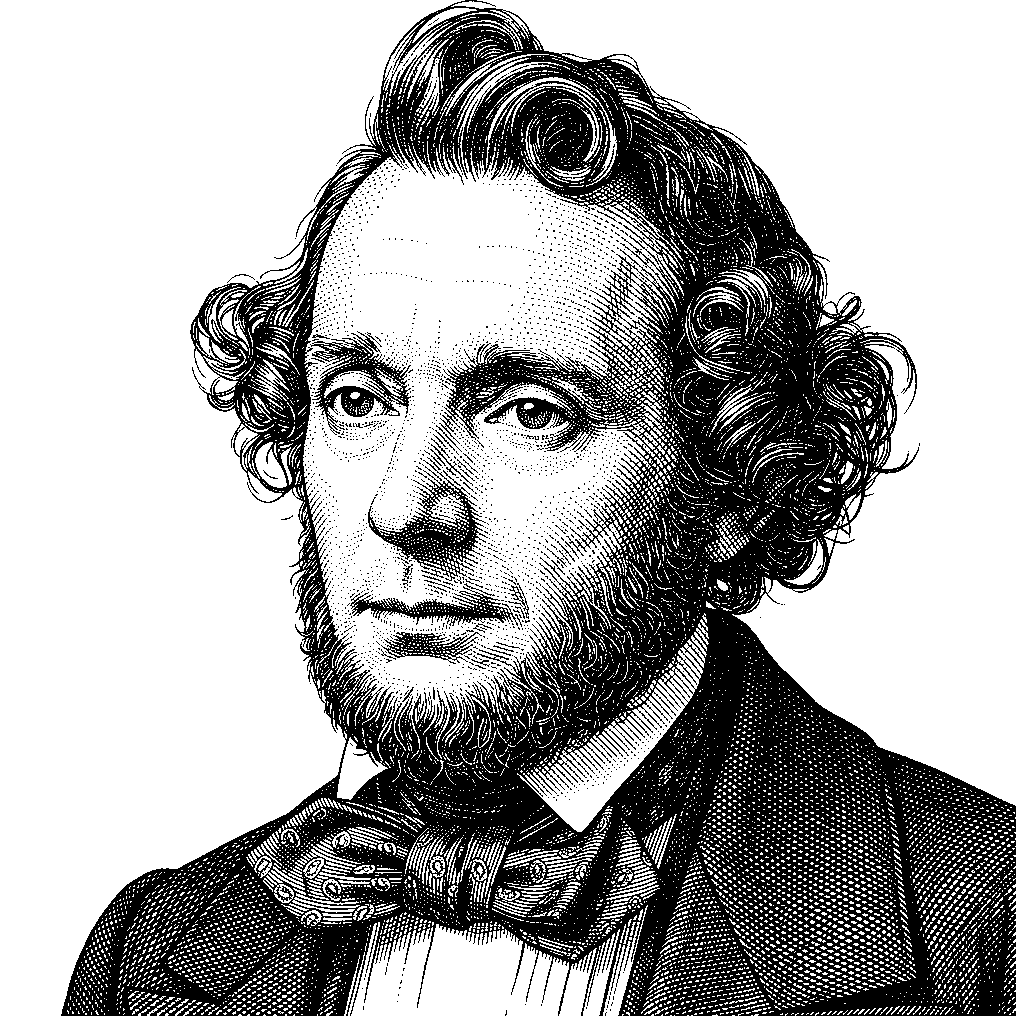
Lorenzo SnowLorenzo Snow

We should strive earnestly to establish the principles of heaven within us, rather than trouble ourselves in fostering anxieties like the foolish people of the Tower of Babel, to reach its location before we are properly and lawfully prepared to become its inhabitants. Its advantages and blessings, in a measure, can be obtained in this probationary state by learning to live in conformity with its laws and the practice of its principles. To do this, there must be a feeling and determination to do God’s will.

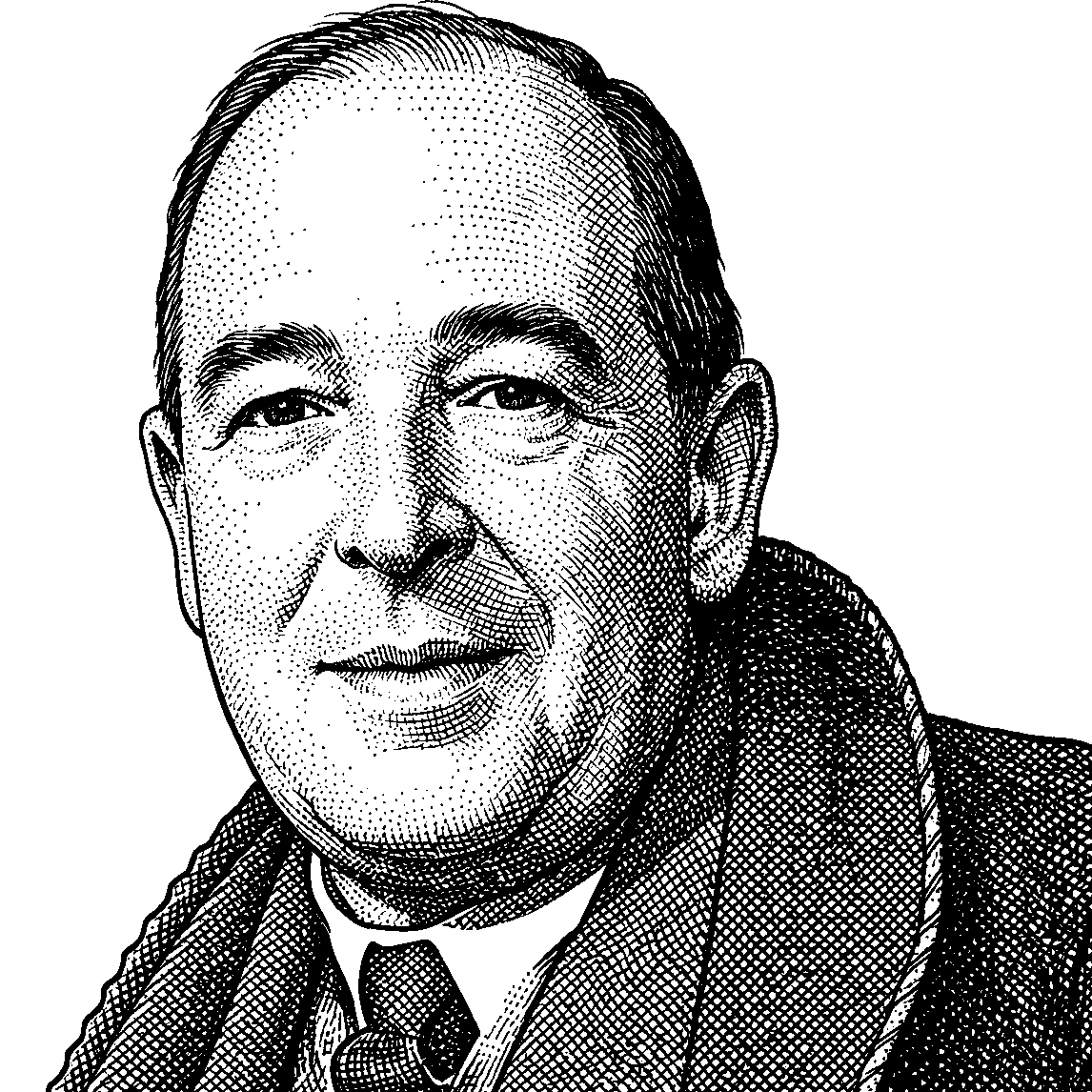
C.S. LewisC.S. Lewis

Now the whole offer which Christianity makes is this: that we can, if we let God have His way, come to share in the life of Christ. If we do, we shall then be sharing a life which was begotten, not made, which always existed and always will exist. Christ is the Son of God. If we share in this kind of life we also shall be sons of God. We shall love the Father as He does and the Holy Ghost will arise in us. He came to this world and became a man in order to spread to other men the kind of life He has — by what I call “good infection.” Every Christian is to become a little Christ. The whole purpose of becoming a Christian is simply nothing else.

Richard HollowayRichard Holloway

To demythologise the myth of Adam and Eve, for instance, is not to abandon it as a uselessly primitive way of speaking about abstract matters. It is to understand it as a myth, a narrative way of speaking about abstractions, which is valued for that very reason. The myth is seen as a powerful metaphor for real human experience. It is kept not because it is bad history, but because it is good poetry, because it provides us with a powerful shorthand for complex human experiences of alienation and regret.

More from Athanasius